- Ukeru — Japan, observed from the inside/
- Topics & Guides/
- Onsen, Festivals & Recreation/
- Matsuri: Japanese Festivals & Traditions/
Matsuri: Japanese Festivals & Traditions
One of the most vibrant expressions of Japan’s rich cultural heritage is the tradition of matsuri ( 祭り ). Word “Matsuri” refers to traditional Japanese festivals that are held throughout the year across various regions of the country. These festivals often have religious origins and are linked to Shinto shrines or Buddhist temples. Matsuri serves as a time for communities to come together, celebrate, and pray for blessings such as good harvests, prosperity, health, and safety. Although the word 祭り basically means festival, events with a more modern vibe to them are called festa (フェスタ).
Key Elements of Matsuri#
Mikoshi Parade#
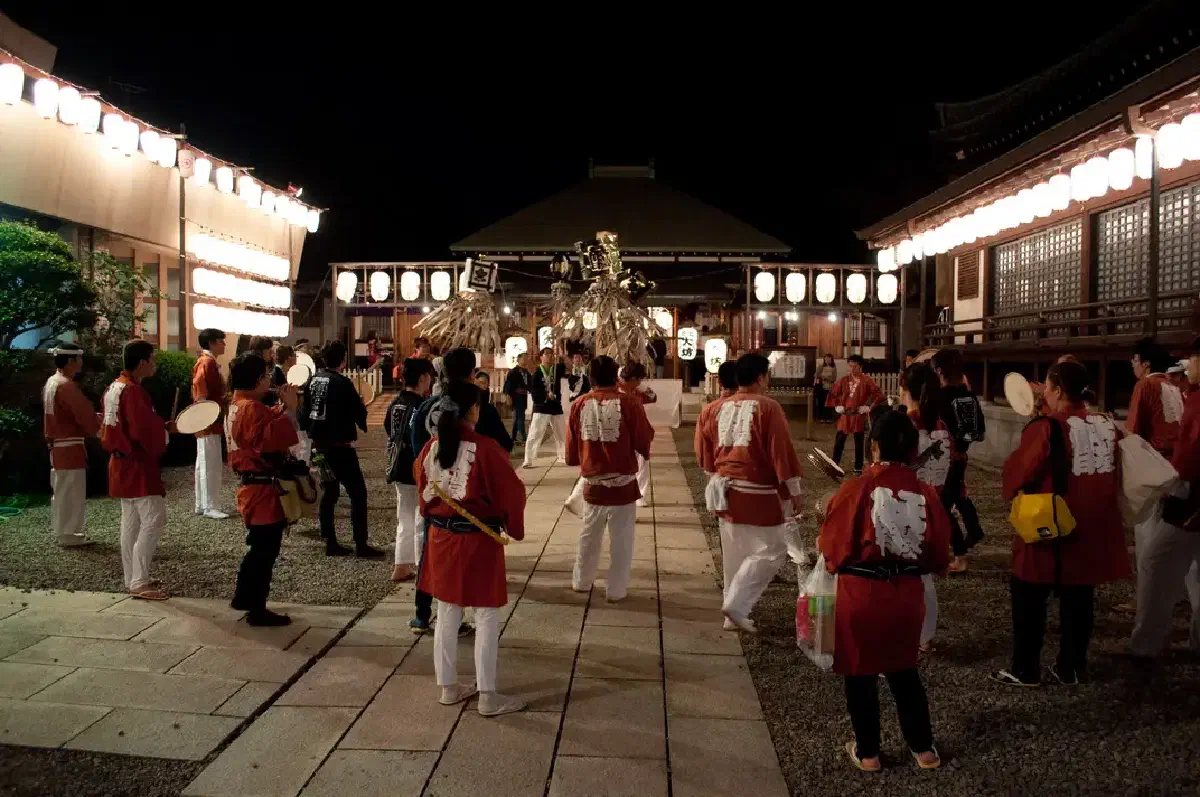
A central feature of many matsuri is the mikoshi parade. A mikoshi is a portable shrine that is believed to house deities during the festival. It is carried through the streets by enthusiastic participants who chant and sway rhythmically. This parade symbolizes the deity’s presence among the people and is a way of blessing the local area.
Taiko Drumming#
The sound of taiko drums is synonymous with Japanese festivals. The powerful and rhythmic drumming not only energizes the participants but also draws visitors to the festivities. Taiko performances are often accompanied by lively dances and can be seen both during parades and stage performances.
Traditional Attire#
Festival-goers typically dress in traditional attire such as yukata (a casual summer kimono) or happi coats (short-sleeved jackets). These garments add to the festive atmosphere and reflect Japan’s rich sartorial traditions.
Festival Stalls#
No matsuri is complete without a plethora of food stalls offering mouth-watering treats like takoyaki (octopus balls), yakitori (grilled chicken skewers), taiyaki (fish-shaped pastries filled with sweet bean paste), and more. Besides food, there are also game stalls where you can try your hand at activities like goldfish scooping or ring toss.
Famous Matsuri Across Japan#
Gion Matsuri ( 祇園祭 ) — Kyoto#
Held in Kyoto throughout July, Gion Matsuri is one of Japan’s most celebrated festivals. Its centrepiece is the grand procession of towering, tapestry-draped floats (Yamaboko Junkō, 山鉾巡行 ), which roll through the historic streets to ward off summer pestilence.
Awa Odori ( 阿波踊り ) — Tokushima#
Celebrated every August during the Obon season in Tokushima Prefecture, Awa Odori is Japan’s largest traditional dance festival. Troupes of dancers (ren) move through the streets to shamisen, flutes, and drums—often chanting the famous refrain that since both fools who dance and fools who watch are fools alike, you might as well dance.
Kanda Matsuri ( 神田祭 ) — Tokyo#
One of Tokyo’s three great Shinto festivals, held in mid-May in alternating (odd-numbered) years to honour the deities of Kanda Myōjin Shrine. Dozens of neighbourhood mikoshi parades wind through central districts from Kanda and Nihonbashi to Akihabara, blending Edo-period tradition with modern Tokyo.
There are no articles to list here yet.